
Providence Homeowners: Discover the Top Basement Waterproofing Solutions
Water seeping into your Providence basement can seriously harm your home’s air quality, foundation strength, and overall worth. At DRI Basement Waterproofing, we specialize in custom Basement Waterproofing Providence solutions that Providence residents trust. We combine interior drainage, exterior membranes, and sump pump installations to effectively manage moisture. This guide breaks down the most effective waterproofing methods, helps you choose between interior and exterior systems, explains how sump pumps work, highlights the benefits of combining waterproofing with foundation repair, outlines costs and financing, and details the health and structural advantages. Understanding these strategies will ensure your Providence home has a dry, safe basement for years to come.
The Most Effective Basement Waterproofing Methods
Basement waterproofing techniques are designed to stop water from entering your home, either by creating barriers or by redirecting groundwater. Interior systems collect water that seeps in and send it to a sump pump, while exterior methods block moisture right at the foundation wall. Combination systems use both approaches for maximum defense. For instance, installing a French drain beneath the slab (interior) along with an exterior waterproof membrane provides double protection against groundwater pressure and seepage. These three main strategies—interior drainage, exterior barriers, and combined systems—offer flexible solutions tailored to Providence’s unique soil and weather conditions, setting the stage for a closer look at each. Our team is proud to offer comprehensive professional basement waterproofing to ensure your home remains protected.
How Interior Basement Waterproofing Works
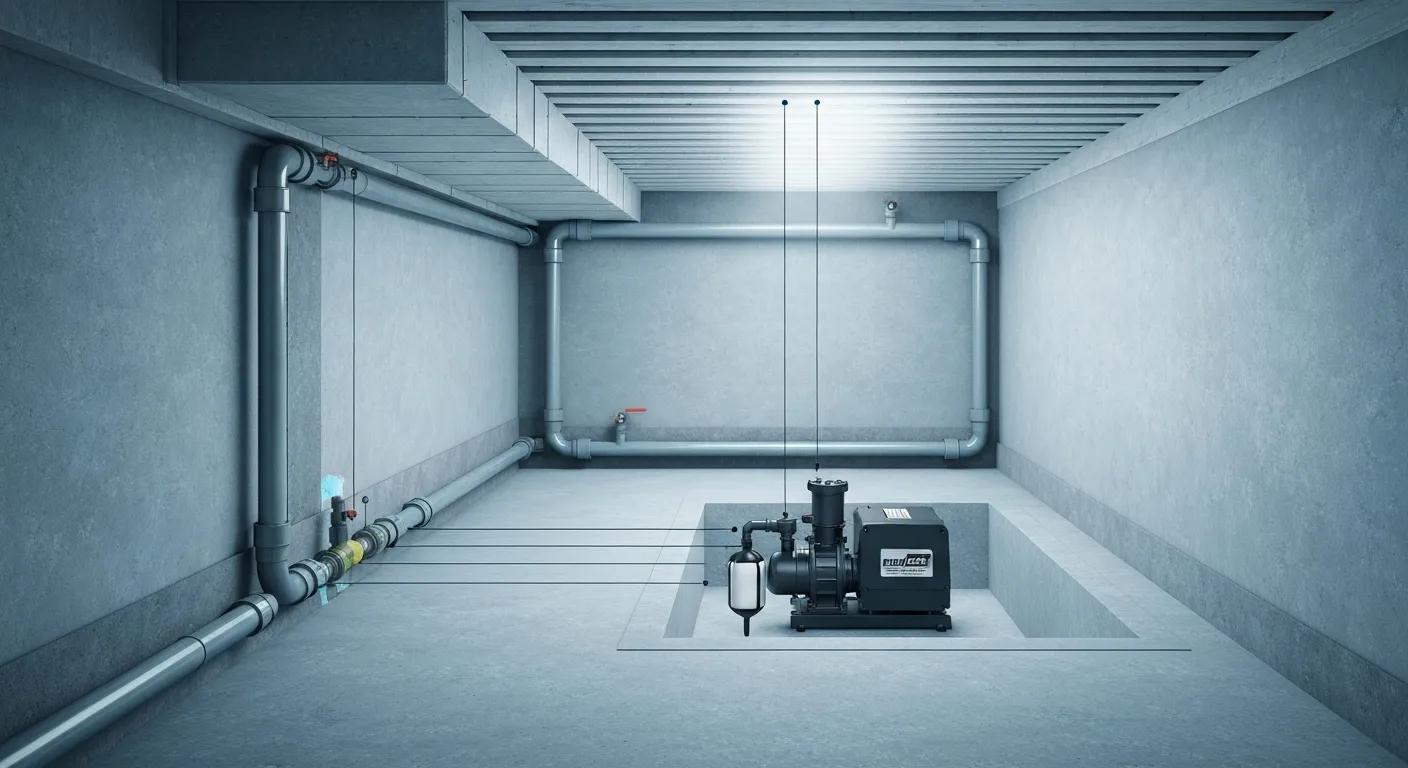
Interior basement waterproofing works by capturing water that seeps through your foundation walls or slab edges and directing it through collection channels to a sump pump for removal. This system typically includes a perforated pipe laid in a gravel bed, leading to a sump basin. Water enters the trench through mortar joints, flows into the pipe’s perforations, and collects in the basin, where the pump then expels it. For example, an interior French drain installed around the basement’s perimeter can effectively collect rainwater that enters through brickwork. Understanding how interior drainage functions will help you evaluate exterior options. We provide expert basement waterproofing services designed to keep your home dry.
Key Exterior Basement Waterproofing Techniques
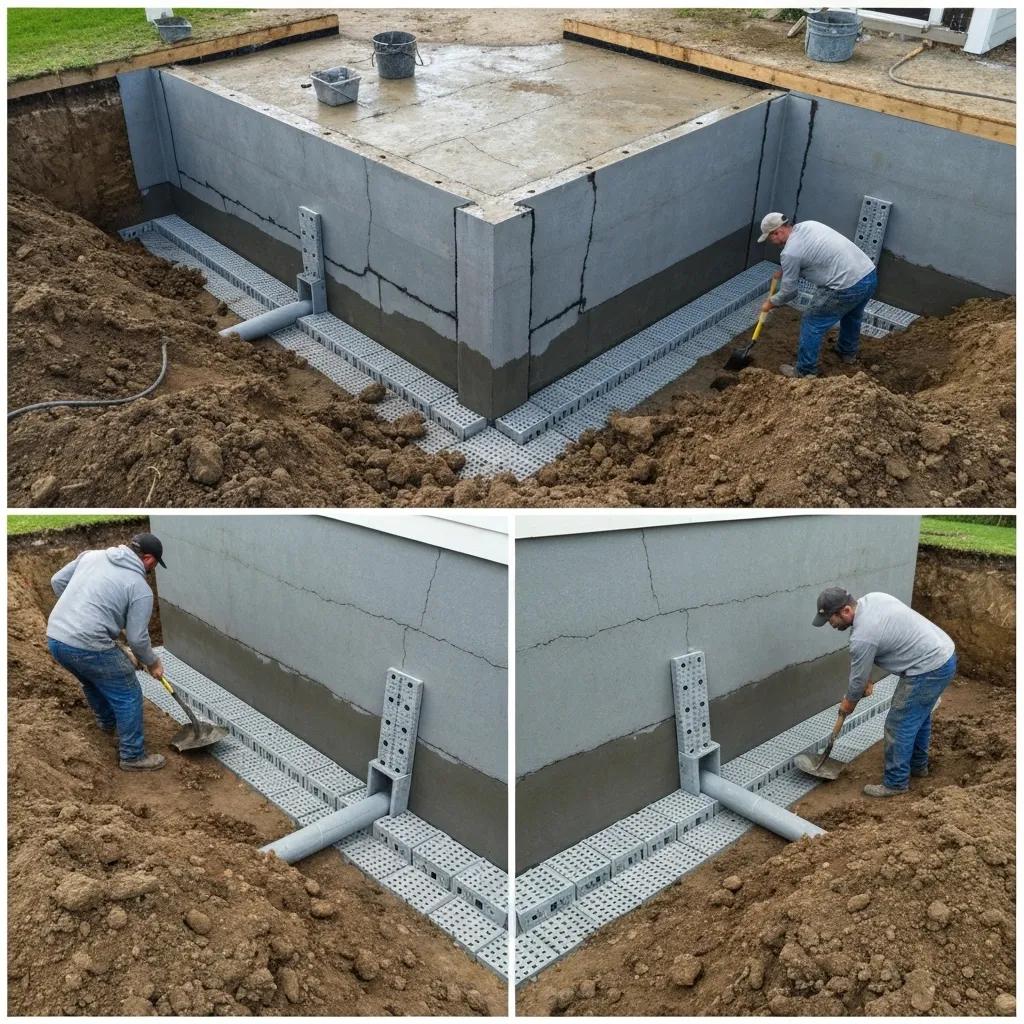
Exterior waterproofing methods protect your foundation walls from water damage before it even starts by applying barriers and drainage systems to the outside. This usually involves digging around the foundation, cleaning and repairing any cracks in the walls, then applying a waterproof membrane—like a bentonite clay panel or a rubberized coating—and installing a drainage system at the base of the foundation to divert groundwater. In Providence’s climate, which experiences freeze-thaw cycles, using a high-density polyethylene membrane combined with a gravel-filled footing drain creates a robust barrier that resists soil moisture and frost heave. After exploring these exterior solutions, we’ll move on to integrated systems. Our skilled basement waterproofing contractors are adept at implementing these advanced techniques.
How Combination Waterproofing Systems Provide Long-Term Protection
Combination waterproofing systems integrate multiple layers of defense, including barrier protection (Type A), structural reinforcement (Type B), and cavity drainage (Type C), for a comprehensive strategy. For instance, applying an exterior waterproof coating alongside an interior cavity drainage membrane beneath the slab ensures that any water that bypasses the outer barrier is safely channeled to a sump pump. This layered approach significantly reduces hydrostatic pressure on your walls and slab, offering superior protection against the heavy groundwater pressure common in Providence neighborhoods. Now that we’ve covered combination systems, let’s look at the materials used in these barriers.
The Role of Waterproof Membranes and Coatings
Waterproof membranes and coatings form an impermeable barrier on foundation walls, preventing moisture from penetrating. These can include self-adhering rubberized asphalt sheets or polymer-modified cementitious coatings applied directly to masonry surfaces. The key is creating a continuous, seamless shield that can flex with minor structural movements without cracking. For example, a cementitious coating can seal tiny cracks while chemically bonding to the concrete. These materials are fundamental to both exterior and combination waterproofing methods, paving the way for understanding drainage integration.
How Drainage Systems Like French Drains Prevent Water Intrusion
Drainage systems, such as French drains, relieve hydrostatic pressure by intercepting groundwater and directing it away from your foundation. A typical French drain consists of a trench filled with gravel, wrapped in filter fabric, and containing a perforated PVC pipe that carries collected water to a sump pit or an exterior drainage outlet. By lowering the water table around your basement walls, these systems prevent water from forcing its way through masonry joints. In practice, installing a French drain around a Providence home’s perimeter can significantly reduce recurring seepage, especially during the spring thaw, preparing us to discuss choices between interior and exterior methods.
Choosing Interior vs. Exterior Basement Waterproofing in Providence
Deciding between interior and exterior waterproofing depends on your property’s layout, your budget, and the specific soil and climate conditions in your area. Interior systems are often ideal for finished basements or when yard access is limited, while exterior methods are best when full excavation is practical and soil moisture is a significant concern. A detailed assessment of your property’s soil type, grading, and hydrostatic pressure levels will help determine the most effective approach. Understanding these key factors will guide you toward the right choice for long-term basement protection. We are your trusted partners for local basement waterproofing solutions.
Local Soil and Weather Factors Affecting Waterproofing Choices
Providence’s soil, often a mix of glacial till, clay, and silt, tends to retain moisture and exert significant hydrostatic pressure against foundation walls. The region’s seasonal rainfall, coastal humidity, and frequent freeze-thaw cycles further increase the risk of water intrusion. For instance, heavy spring rains can saturate the clay-rich soil, intensifying the pressure against your foundation. Recognizing these local conditions is crucial for deciding whether an interior drainage system to manage inevitable seepage or an exterior membrane to prevent moisture entry is the better option.
Pros and Cons of Interior Waterproofing Solutions
Interior waterproofing solutions are generally more affordable, require less excavation, and are well-suited for finished basements. They effectively channel water to a sump pump and can be installed without disturbing your landscaping. However, these systems manage water after it has entered the foundation rather than stopping it at the source, and they involve visible trenching, which may affect flooring. Weighing these advantages and disadvantages helps homeowners decide between focused interior drainage or more comprehensive exterior methods.
Advantages and Challenges of Exterior Waterproofing
Exterior waterproofing provides a permanent barrier against moisture at the foundation wall and significantly reduces hydrostatic pressure, thereby enhancing the structural integrity of your home. The main challenges include a higher initial cost, extensive excavation, potential disruption to landscaping, and the necessity of professional installation. In Providence’s historic neighborhoods, careful adherence to local building codes and coordination with adjacent properties are also essential considerations. These trade-offs help homeowners decide whether full excavation is the right choice compared to interior-only solutions.
How Hydrostatic Pressure Influences Method Selection
Hydrostatic pressure is the force exerted by saturated soil against foundation walls, which can lead to leaks and structural damage. Areas with high hydrostatic pressure, often found near riverbanks and in low-lying parts of Providence, require robust exterior barriers or a combination waterproofing systems. Sites with lower pressure and better drainage may be adequately protected by interior drainage systems alone. Matching the strength of your chosen method to the level of hydrostatic pressure is key to ensuring effective and lasting waterproofing.
Sump Pump Installation Enhances Basement Waterproofing
Installing a sump pump is a critical component of basement waterproofing, providing an automatic system to remove collected water from interior drainage systems. The pump is housed in a sump basin and activates when the water level reaches a predetermined point, pumping the water away from your home. This mechanism prevents basement flooding during heavy rains or if drainage systems become blocked, ensuring your waterproofing system functions reliably. With a solid understanding of sump pumps, let’s explore the different types available. Our expertise extends to crucial crawl space repair, ensuring your entire foundation is protected.
Types of Sump Pumps Best for Providence Basements
For Providence basements, submersible sump pumps are highly recommended as they sit below the water level, operating quietly and efficiently. Battery-backup sump pumps are also essential, ensuring continuous operation even during power outages. While pedestal pumps can be a more budget-friendly option, they tend to be noisier and take up more space. A dual-pump system, combining a primary submersible pump with a battery backup, offers the most reliable water removal, especially during severe weather events, highlighting why choosing the right pump is vital for successful waterproofing.
Sump Pump Installation and Maintenance
A typical sump pump installation involves digging a basin at the lowest point of the basement floor, preparing a gravel base, installing a perforated collection pipe, and setting the pump within the basin, often on a concrete pedestal. The discharge pipe is then routed away from the house, above the frost line. Regular maintenance is crucial and includes testing the float switch, cleaning out any debris from the basin, and checking the discharge lines for obstructions. Consistent upkeep ensures the pump operates reliably, emphasizing the importance of proactive care before any foundation repairs are needed.
When Professional Sump Pump Installation Is Recommended
Professional sump pump installation is highly recommended when access to the property is limited, local building codes mandate licensed installation, or when integrating the pump into a complex interior drainage system. Experienced technicians ensure the basin is the correct depth, the pump is properly sized, the discharge line is routed effectively, and all electrical connections are safe. In Providence’s varied soil conditions and potentially flood-prone areas, professional services also offer warranties and emergency support, guaranteeing dependable basement protection.
Foundation Repair Complements Basement Waterproofing
Foundation repair addresses structural issues like settlement, bowing walls, and cracks that are often caused by water damage, thereby enhancing the effectiveness of your waterproofing system. By combining crack injections, wall anchors, and pier installations with waterproof membranes and drainage systems, you create a unified defense against both water intrusion and structural failure. This integrated approach ensures long-lasting protection and prevents the need for repeated repairs.
Common Foundation Problems Caused by Water Damage
Water infiltration can lead to foundation cracks, walls that bow inward, and uneven settlement of the structure. The constant pressure from hydrostatic forces pushes moisture through concrete pores and mortar joints, weakening the materials and causing lateral movement in walls. For example, a persistent leak in a Providence basement might manifest as a visible diagonal crack where the wall meets the floor. Recognizing these issues underscores the importance of coordinating foundation repair with your waterproofing efforts.
How Epoxy and Polyurethane Injections Fix Foundation Cracks
Epoxy injections repair narrow cracks by bonding the concrete surfaces back together, restoring structural integrity. Polyurethane injections, on the other hand, expand to fill wider gaps and effectively block water entry. The process involves injecting the resin under pressure into the cracks, where it cures and seals the breach. In practice, epoxy is ideal for hairline cracks that need structural reinforcement, while polyurethane provides a flexible, watertight seal for larger openings. These injection techniques work hand-in-hand with waterproof membranes by addressing internal wall breaches.
When Foundation Settlement Repair Is Necessary
Foundation settlement repair becomes necessary when significant sinking or uneven movement compromises your home’s structural stability. Solutions include installing steel push piers driven down to stable soil layers or using mudjacking to lift settled slabs and re-level floors. In Providence’s clay-rich soils, push pier systems often provide the most reliable long-term stabilization. Coordinating settlement repair with exterior waterproofing measures helps prevent soil moisture from re-triggering cycles of heaving and sinking.
Typical Costs and Financing Options for Basement Waterproofing in Providence
The cost of basement waterproofing in Providence varies depending on the chosen method, the extent of the damage, and the size of your property. Interior drainage systems are generally more affordable, while exterior membrane installations involve higher excavation costs, and combination approaches represent a larger investment. Various financing options, from low-interest home improvement loans to in-house payment plans, are available to help homeowners invest in long-term property protection without immediate financial strain. As basement waterproofing experts, we strive to make these essential services accessible.
Factors Influencing Basement Waterproofing Costs
Several factors impact pricing: the type of system (interior, exterior, or combination), the square footage of the basement, the depth of excavation required, the quality of materials used (membranes, sump pumps), any necessary foundation repairs, and the accessibility of the site. For example, waterproofing a finished 1,000 sq ft basement with interior drainage and a sump pump will typically cost less than a full exterior membrane and French drain system for the same area. Understanding these cost drivers is essential for effective budget planning.
Interior and Exterior Waterproofing Cost Comparison
Free Estimates and Financing Availability Locally
Many contractors in Providence, including DRI Basement Waterproofing, offer complimentary on-site assessments and customized quotes, allowing homeowners to understand their needs and budget without any obligation. Financing programs, such as deferred payment options and low-interest loans, are designed to accommodate various project scopes. Taking advantage of these options ensures that you can secure timely basement protection without facing undue financial pressure.
Health and Property Benefits of Basement Waterproofing
Effective basement waterproofing provides significant health and property advantages by preventing mold growth, preserving structural integrity, and increasing your home’s resale value. A dry basement environment inhibits the growth of allergenic mold spores, maintains a strong foundation, and makes your home more attractive to potential buyers looking for usable lower-level space. These benefits clearly demonstrate the value of investing in comprehensive waterproofing solutions.
How Waterproofing Prevents Mold and Improves Indoor Air Quality
Waterproofing systems stop moisture sources that feed mold and mildew, thereby reducing the spread of spores and the emission of volatile organic compounds that degrade indoor air quality. For instance, a properly sealed membrane and a functioning sump pump eliminate the damp conditions where mold thrives. The health benefits include fewer respiratory issues and allergy flare-ups, highlighting the critical role of moisture control in maintaining a healthy home environment.
How Waterproofing Protects Structural Integrity
By preventing water entry and relieving hydrostatic pressure, waterproofing systems stop concrete spalling, erosion of mortar joints, and wall bowing—all issues that weaken the foundation. A well-installed exterior membrane combined with interior drainage ensures that load-bearing walls maintain their structural integrity, preserving mortar joints and rebar coverage. This structural protection extends the lifespan of your foundation and reduces long-term maintenance expenses.
How Basement Waterproofing Increases Property Value
Waterproofed basements can be transformed into clean, dry living spaces, adding usable square footage and significantly boosting a home’s market appeal and resale price. Real estate studies show that a professionally waterproofed basement can increase a property’s value by as much as 10 percent. In Providence, where finished basements are popular for extra living space or rental income, this return on investment makes waterproofing a smart home improvement decision.
Common Basement Problems and Their Waterproofing Solutions
Common basement issues like hydrostatic pressure, musty odors, bowing walls, and crawl space moisture each require specific waterproofing solutions. Matching these problems with the right techniques clarifies the best path to lasting results and guides homeowners toward the precise services that DRI Basement Waterproofing offers. We are experts in Basement Waterproofing Providence and are ready to help.
Managing Hydrostatic Pressure with Waterproofing Systems
Hydrostatic pressure is managed through a combination of barrier protection and drainage relief: an exterior membrane prevents soil moisture from reaching the foundation, while an interior French drain and sump pump remove any water that accumulates. This dual approach effectively balances pressure reduction with water removal, neutralizing the force that drives leaks through masonry joints.
Waterproofing Methods for Musty Odors and Mold Growth
Persistent dampness typically causes musty odors and mold. Interior sealants, waterproof coatings, and vapor barriers applied to walls and floors block moisture transmission, while dehumidifiers help maintain low humidity levels. For example, applying an epoxy-based wall coating prevents water vapor from migrating into living spaces, tackling the source of odors and improving overall air quality.
Remedying Bowing Walls and Foundation Cracks
Bowing walls and cracks often require structural stabilization methods, such as installing wall anchors or carbon fiber straps, in conjunction with crack injections and exterior membranes. Epoxy injection restores the continuity of concrete within cracks, while exterior drainage systems reduce the soil pressure that caused the wall to bow. These combined repairs halt the progression of damage and reinforce walls against future stress.
Solutions for Crawl Space Moisture and Encapsulation
Crawl space encapsulation involves sealing the ground surface with a heavy-duty polyethylene liner and installing a perimeter drainage system connected to a sump pump. This method prevents ground vapor from entering the crawl space and keeps the underfloor air dry. For Providence’s humid summers, encapsulation combined with a dehumidifier can transform a damp crawl space into a controlled environment, protecting floor joists and HVAC equipment.
Basement waterproofing integrates moisture control, structural repair, and health preservation into a comprehensive strategy that protects Providence homes. By choosing the right interior, exterior, or combination systems, incorporating reliable sump pumps, addressing foundation damage, understanding cost factors, and matching solutions to specific problems, homeowners can ensure dry, valuable, and safe lower levels—all backed by the expertise and proven methods of DRI Basement Waterproofing. Our experienced Basement Waterproofing Providence team is dedicated to providing top-tier service.