
What to Expect From Professional Basement Sealing: A Clear Guide to Process, Costs, and Benefits
Professional basement sealing pairs targeted surface repairs with engineered drainage so water stays out, humidity stays down, and a home’s structure stays sound. This guide walks through how professional services work — from inspection and diagnosis to the combined use of seals, membranes, and drainage systems that stop water at the source — and explains why those steps matter for preventing mold, preserving foundations, and improving indoor air quality. Many Providence homeowners deal with seasonal hydrostatic pressure and wet basements that reduce usable space and hurt resale value; knowing what an inspection covers, how plans are developed, the typical installation sequence, expected benefits, cost drivers, and aftercare helps you make confident decisions. Below you’ll find clear checklists, comparison notes, and realistic timelines that compare interior and exterior methods, explain French drains and sump pumps, and show how crack repairs and membranes contribute to lasting protection.
What Happens During the Initial Basement Inspection and Assessment?
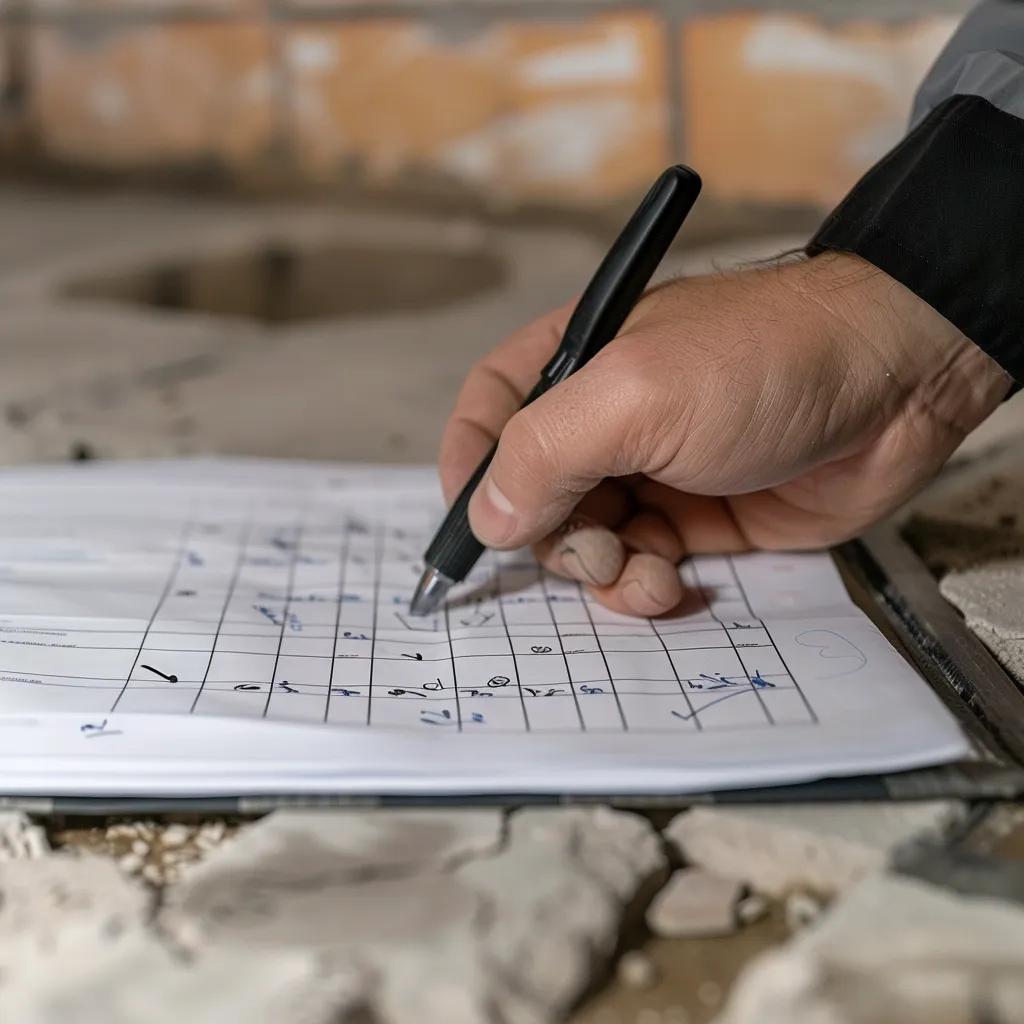
The initial inspection is a focused diagnosis that finds where water is entering, how moisture behaves in the space, and which systems will stop it. Technicians examine walls, floors, and footings for cracks, efflorescence, staining, or active seepage and use moisture meters and visual tests to gauge severity. We also review exterior issues — grading, gutters, downspouts, and site drainage — because those factors drive hydrostatic pressure and interior wetness. Accurate measurements and clear documentation guide material choice and determine whether interior or exterior work is the best long-term solution, reducing the chance of repeat problems and helping prioritize fixes for the biggest impact.
During a typical inspection we follow a concise checklist:
- Visual check of interior walls and floors for cracks, stains, and efflorescence.
- Moisture readings with pin or pinless meters and relative humidity checks.
- Evaluation of exterior grading, gutters, downspouts, and site drainage.
- Inspection of existing systems like sump pumps, interior drains, and vapor barriers.
That checklist gives homeowners a clear roadmap and leads directly to the next step: converting findings into a tailored waterproofing plan that addresses the root causes.
How Do Professionals Check for Moisture and Foundation Cracks?
Technicians combine tools and careful observation to tell surface dampness from structural water intrusion and to measure how serious the problem is. Moisture meters and hygrometers read humidity and material moisture; infrared cameras can reveal cold spots or hidden wet areas that point to active leaks. Crack inspections record width, location, and direction — a hairline crack beneath a window has different implications than a half-inch crack at the footing — and any signs of movement may trigger a structural referral. We document readings and photos to create a baseline for future comparison, so repairs target the actual failure mode rather than just symptoms.
Those diagnostics inform the choice between interior and exterior solutions, the next decision when planning a customized waterproofing approach.
Why Is a Detailed Basement Inspection Crucial for Effective Sealing?
A detailed inspection keeps you from applying the wrong fix to the wrong problem. If water is driven by poor exterior grading and hydrostatic pressure, simply coating interior walls won’t stop the source and the problem often returns. Thorough diagnostics help prioritize source-control measures like exterior drainage or trenching when needed, or interior drain systems where excavation isn’t practical — lowering lifecycle costs. Clear documentation also sets realistic timelines and warranty expectations and tells homeowners what maintenance to expect, so there are no surprises once work begins.
With a complete diagnosis in hand, technicians translate findings into a customized plan that balances effectiveness, disruption, and cost.
DRI Basement Waterproofing offers free on-site estimates and inspections in Providence, RI. As a locally based, licensed and insured contractor, we measure moisture with industry-standard meters, document findings, and provide a written plan and estimate that lay out recommended interior or exterior options and the next steps.
How Is Your Customized Basement Waterproofing Plan Developed?
A customized plan turns inspection data into a sequenced scope of work that targets root causes, matches materials to conditions, and respects homeowner priorities. We consider soil conditions, hydrostatic pressure indicators, foundation type, and any structural concerns when choosing between interior drains, exterior excavation and membranes, or a hybrid solution. Key decision factors include longevity, disruption to the home, cost, and whether active drainage (a sump pump) is required. We sequence work so prep tasks — excavation, footing repairs, or rerouting drainage — happen before membranes or coatings are applied to ensure durability. Good plans also spell out maintenance, warranty terms, and a realistic timeline to minimize surprises.
Technicians typically rank recommended actions by priority to help with budgeting and scheduling:
- Fix the water source when feasible (grading or exterior drainage).
- Install drainage (French drain or interior channel) for hydrostatic relief.
- Repair structural cracks and apply waterproofing membranes or coatings.
- Add mechanical protections like sump pumps and battery backup when water volumes require them.
What Are the Differences Between Interior and Exterior Waterproofing Methods?
Interior waterproofing manages water once it reaches the basement by directing flow and protecting finishes — common tools are interior drain channels, sump pumps, crack injections, and coatings. These methods are usually less disruptive and less costly and work well when the foundation is sound and you want to protect finished space. Exterior waterproofing tackles the source: excavating to the footing, applying exterior membranes, and installing perimeter drains to divert water away before it hits the wall. Exterior work is more invasive and often more expensive but can be the most durable fix for seepage through walls. The right choice depends on access, budget, soil, and whether surface grading or external drainage fixes are required to relieve hydrostatic pressure.
How Do Professionals Choose the Best Sealing Solutions for Your Basement?
Choice follows a simple path: diagnose → identify the root cause → map the right system. Localized, non-structural cracks can often be sealed with epoxy or polyurethane injection; seepage at the footing frequently calls for an interior drain and sump pump. Material selection — sheet or applied membrane, crystalline admixture, or elastomeric coating — depends on the condition of the substrate and expected water pressure. We also consider maintenance and warranty implications and prefer systems that allow inspection and pump access. The final plan balances short-term performance, long-term cost, and your tolerance for excavation or disruption.
If you want a tailored plan from a local team, DRI Basement Waterproofing prepares custom options that can include interior and exterior methods, sump pump installation, and French drains — plus free estimates and flexible payment options to fit project budgets.
What Are the Step-by-Step Processes Involved in Professional Basement Sealing?
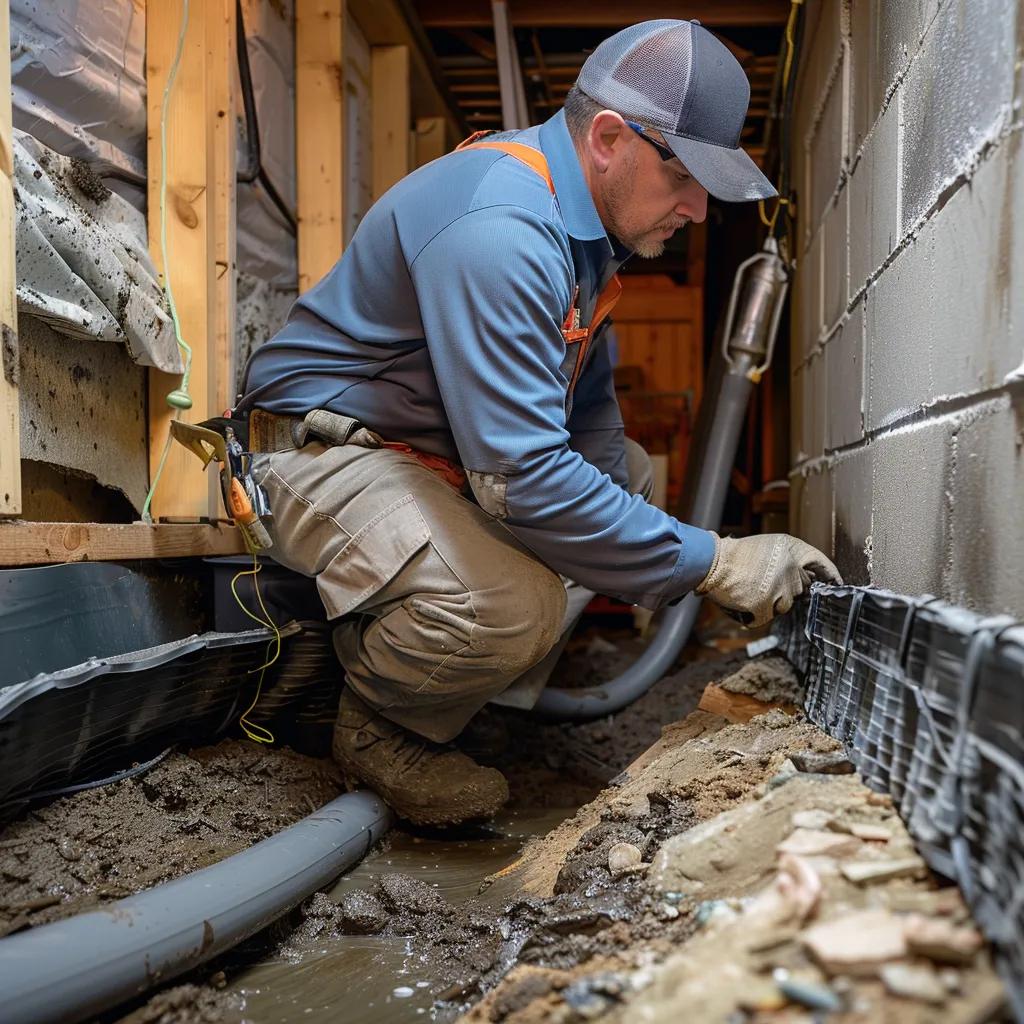
Professional basement sealing follows a deliberate workflow: prepare surfaces, repair defects, install drainage, apply membranes or coatings, then verify performance. Each phase supports the next — clean, sound surfaces ensure membranes stick; drainage reduces water load on repairs; final tests confirm leaks are solved. Technicians coordinate any excavation or structural trades, document progress and post-installation readings, and use a standard sequence to reduce rework and keep homeowners informed about milestones and responsibilities.
A concise ordered list summarizes the typical installation steps:
- Surface preparation and concrete repair to create a solid substrate.
- Crack sealing by routing and injection or epoxy stitching as appropriate.
- Drainage installation (French drain or interior channel) routed to a sump.
- Sump pump installation and testing, with recommendations for backup power where needed.
- Application of waterproofing membrane or coating on walls and floors.
- Final inspection, moisture verification, and a homeowner walkthrough.
How Is Surface Preparation and Crack Sealing Performed?
Preparation starts with cleaning, removing deteriorated concrete, and clearing loose material so repairs and membranes bond properly. For active cracks, technicians choose epoxy injection for structural bonding or polyurethane injection for a flexible, watertight seal — each has different cure times and uses tied to the crack’s cause. After injection or patching we prime surfaces and, if needed, add mechanical anchors or helical bars for structural support before applying membranes. Proper prep limits coating failure and helps membranes and drains perform reliably for years.
That careful prep leads into drainage work, which relieves hydrostatic pressure that otherwise forces water through repaired areas.
The table below outlines phases, typical tasks, and expected outcomes so homeowners understand what to expect at each step.
What Role Do French Drains and Sump Pumps Play in Basement Waterproofing?
French drains and sump pumps work together: the drain collects water at or below footing level and directs it to a sump pit; the sump pump then ejects that water away from the foundation. Interior French drains sit at the footing-wall joint and catch water that has entered, while exterior drains intercept water before it reaches the foundation. A properly sized, well-installed sump pump reduces hydrostatic pressure and prevents standing water; a battery backup is advised to maintain operation during outages or storms. Correct pump sizing, reliable float switches, and proper discharge routing are essential to dependable performance and to meet site or code requirements.
Because drainage controls both entry and flow, many long-lasting systems combine crack repair, membranes, and engineered drainage to protect basements effectively.
What Are the Key Benefits of Professional Basement Sealing Services?
Professional sealing delivers measurable benefits for health, structure, and long-term costs by cutting moisture, preventing mold, and protecting foundation materials. Controlling water and humidity reduces conditions that allow mold to grow within 24–48 hours after a water event, improves indoor air quality, and slows deterioration of concrete and steel reinforcement. Properly designed sealing and drainage also reduce insurance risk and make basements more usable and attractive to buyers. Together, these benefits preserve structural integrity and add to the home’s livability and value.
Homeowners usually notice less reliance on dehumidifiers, fewer musty smells, and lower long-term maintenance when systems are designed to fix root causes instead of masking symptoms.
- Structural Protection: Reduces long-term material damage and preserves foundation strength.
- Mold & Air Quality: Lowers moisture so mold is less likely and indoor air improves.
- Usable Space & Value: Dry basements increase usable square footage and ease buyer concerns.
These results show why system-based professional approaches outperform cosmetic or temporary fixes when long-term protection is the goal.
The table below links common benefits to measurable attributes and realistic outcomes.
How Does Sealing Protect Structural Integrity and Prevent Mold Growth?
Sealing plus engineered drainage lowers water exposure on structural elements, preventing freeze-thaw damage, steel corrosion, and concrete spalling that weaken foundations. Reducing persistent dampness also removes the moisture mold needs to grow; because mold can colonize wet organic materials quickly, eliminating long-term dampness breaks that cycle. Professionals combine surface treatments with drainage and humidity control to deliver both immediate and lasting moisture reduction. We document moisture readings before and after work so you can see the improvement and validate that the system is performing as intended.
That combination of structural protection and mold prevention ties directly to the value many homeowners want to protect.
Can Basement Waterproofing Increase Your Property Value in Providence, RI?
Waterproofing builds buyer confidence by removing a common risk and can make finished basements more marketable in Providence, where seasonal groundwater and hydrostatic pressure are frequent concerns. Precise value gains vary by market and scope, but a dry, warranted basement eliminates a major negotiation point and can effectively add usable square footage. Local appraisers and agents often view documented, warranted waterproofing and drainage improvements favorably. For exact figures consult a local appraiser, but investing in proven waterproofing systems generally supports a stronger sale position and lower maintenance costs over time.
Because cost and financing matter, transparent pricing and payment options are important when planning a waterproofing project.
How Much Do Professional Basement Sealing Services Cost and What Affects Pricing?
Costs depend on method, scope, and site conditions; interior solutions usually cost less than full exterior excavation and membrane installation. Major cost drivers include the amount of excavation required, complexity of drainage routing, need for structural crack repair, materials (membranes, injection resins), and labor intensity. Site-specific factors — soil type, access constraints, and finished interiors — can add to labor and restoration costs. Understanding these drivers helps homeowners compare bids and pick solutions that balance upfront price and long-term performance.
Here’s a quick breakdown of typical cost drivers to help you ask the right questions during estimates.
- Excavation: Adds significant labor and equipment costs when exterior access is required.
- Drainage needs: Full perimeter drains and sump systems increase materials and installation effort.
- Structural repair: Large cracks or bowing walls can require engineering and reinforcement.
- Finish restoration: Replacing flooring or wall finishes after interior work raises total project cost.
These drivers produce different price ranges for interior versus exterior approaches. The table below helps set realistic expectations.
What Are Typical Cost Ranges for Interior vs. Exterior Waterproofing?
Interior projects — installing a perimeter drain, sump pump, and localized crack injections — typically cost less because they avoid major excavation and landscaping restoration. Interior systems are effective at managing water entry and protecting finished spaces when the foundation is structurally sound. Exterior waterproofing, which includes excavation to the footing, membrane installation, and exterior drainage, addresses the source of seepage and generally carries a higher upfront price but may lower recurrence risk over the long term. Variability depends on access, soil, and any structural repairs needed.
How Do Flexible Payment Plans and Free Estimates Work?
Free estimates usually start with an on-site inspection that documents moisture readings, photos, and a recommended scope of work. The estimate details materials, sequencing, timeline, and warranty terms. Flexible payment plans might include deposits with staged payments or third-party financing to spread cost over time. Always request a written, itemized estimate that lists inclusions and exclusions and confirms warranty coverage before signing. Clear, comparable estimates reduce surprises and make contractor selection easier.
DRI Basement Waterproofing provides free on-site estimates in Providence and can discuss flexible payment options during the estimate, so you can evaluate choices without an up-front assessment fee.
What Should You Expect During and After the Basement Sealing Service?
During the job you can expect protective measures, a clear schedule, and efforts to limit disruption and protect interior finishes. Small interior jobs typically take one to three days; larger exterior excavations and drainage projects can take a week or more depending on weather and restoration needs. Our teams use dust containment, daily cleanup, and milestone inspections, and they test mechanical systems like sump pumps before leaving. After completion we document moisture readings and do a homeowner walkthrough to explain maintenance and warranty details.
What Is the Typical Project Timeline and Cleanup Process?
Timelines vary: a basic interior drain and sump pump install may finish in 1–3 days, while full exterior excavation, membrane application, and yard restoration often require a week or longer. Cleanup includes hauling spoil, protecting nearby living spaces, vacuuming and wiping surfaces, and restoring disturbed finishes when applicable. A reputable contractor provides a schedule with milestones and a contingency plan for weather or unexpected structural findings so you know when spaces will be usable again.
What Warranties and Maintenance Services Are Offered Post-Sealing?
Warranties often cover workmanship and installed systems for a set period and may require periodic maintenance to remain valid; terms vary by provider and system. Common warranties cover drain and membrane workmanship for multiple years, while mechanical parts like sump pumps carry separate manufacturer warranties. Regular maintenance — sump pump testing, float switch checks, and inspection of discharge lines — keeps systems working and helps preserve warranty coverage. Get written warranty terms, understand exclusions, and follow the recommended maintenance schedule to maintain long-term reliability.
Planned maintenance and clear warranty documentation give homeowners confidence that their waterproofing investment will continue protecting the home.
Frequently Asked Questions
1. How long does the basement sealing process typically take?
Project length depends on scope. Small interior jobs — like installing a sump pump and interior drain — usually finish in 1 to 3 days. Larger exterior projects with excavation, membrane application, and yard restoration commonly take a week or more. Talk to your contractor about a site-specific timeline so you have realistic expectations.
2. What maintenance is required after basement sealing?
Regular maintenance keeps systems working. Test sump pumps periodically, check float switches, and inspect discharge lines for blockages. Schedule periodic system inspections with your contractor to catch issues early. Following the maintenance guidance in your warranty helps protect both performance and coverage.
3. Are there any signs that indicate my basement needs sealing?
Look for visible cracks in walls or floors, water stains, efflorescence (white powdery residue), musty odors, or elevated humidity. Repeated pooling or leaks during heavy rain are clear warning signs. When in doubt, schedule an inspection to diagnose the problem and recommend fixes.
4. Can I perform basement sealing myself, or should I hire a professional?
Some minor tasks can be DIY, but we generally recommend hiring a professional. Experienced contractors use the right diagnostic tools, materials, and methods to address root causes rather than symptoms. Professionals also provide warranties and coordinate complex work such as structural repairs, excavation, or pump installation.
5. What types of materials are commonly used in basement sealing?
Common materials include waterproofing membranes, epoxy and polyurethane injection products for cracks, and drainage components like French drains and sump pumps. The best choice depends on your basement’s condition and the nature of the intrusion; a technician will recommend appropriate options after inspection.
6. How can I prepare my basement for sealing services?
Clear furniture and personal items from the work area and remove obstructions that could block access. Ensure good ventilation if possible and report any existing water issues to your contractor before work starts. Your technician will advise on any specific prep steps for your job.
7. What should I look for in a basement sealing contractor?
Choose a contractor with proven experience, proper licensing, and insurance. Read reviews and ask for references. A reliable provider gives a detailed, written estimate with a clear scope of work, timeline, warranty information, and post-service support. Look for teams that stand behind their work and communicate clearly throughout the project.
Conclusion
Professional basement sealing protects homes from moisture, mold, and structural damage — improving indoor air quality, preserving foundation life, and protecting property value. By addressing root causes with the right combination of repairs, membranes, and drainage, homeowners gain a drier, healthier, and more usable basement. Schedule a free inspection to get a site-specific assessment and a written plan tailored to your needs. Invest in a waterproofing solution today and enjoy the peace of mind that comes with a dry, secure basement.